
EcoVadis Documents Checklist for First-Time Assessment Prep
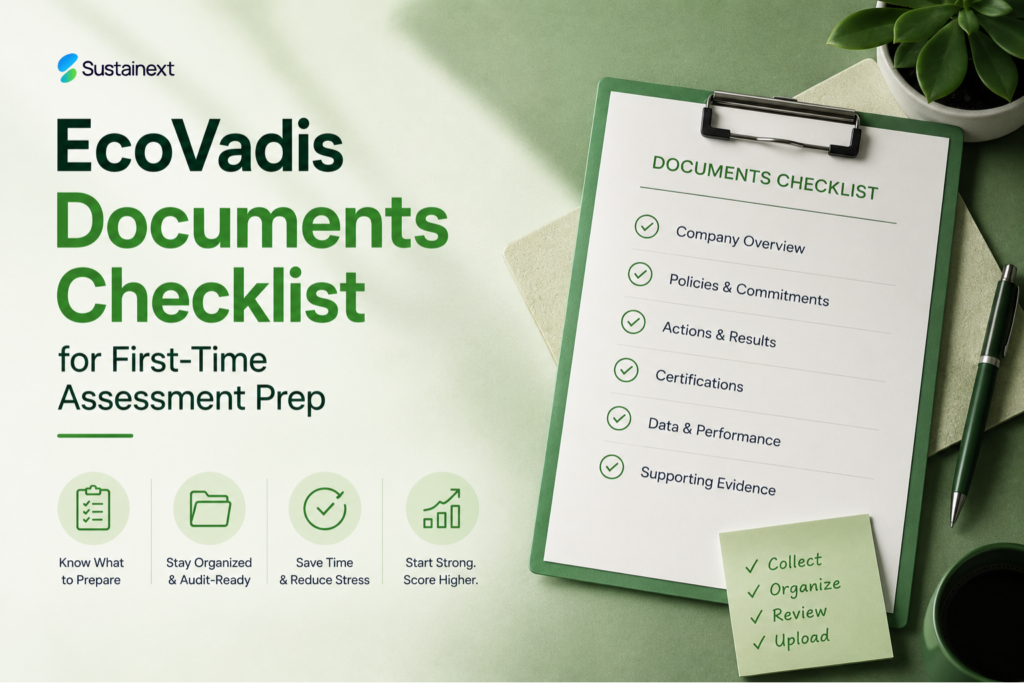
If your team is preparing for EcoVadis for the first time, one question usually slows everything down: what documents do we actually need before we start the questionnaire? That is where most first-time submissions lose momentum. Teams open the assessment, see questions across environment, labor and human rights, ethics, and sustainable procurement, then realize the […]
EcoVadis Preparation Tools Compared for Faster Evidence Collection
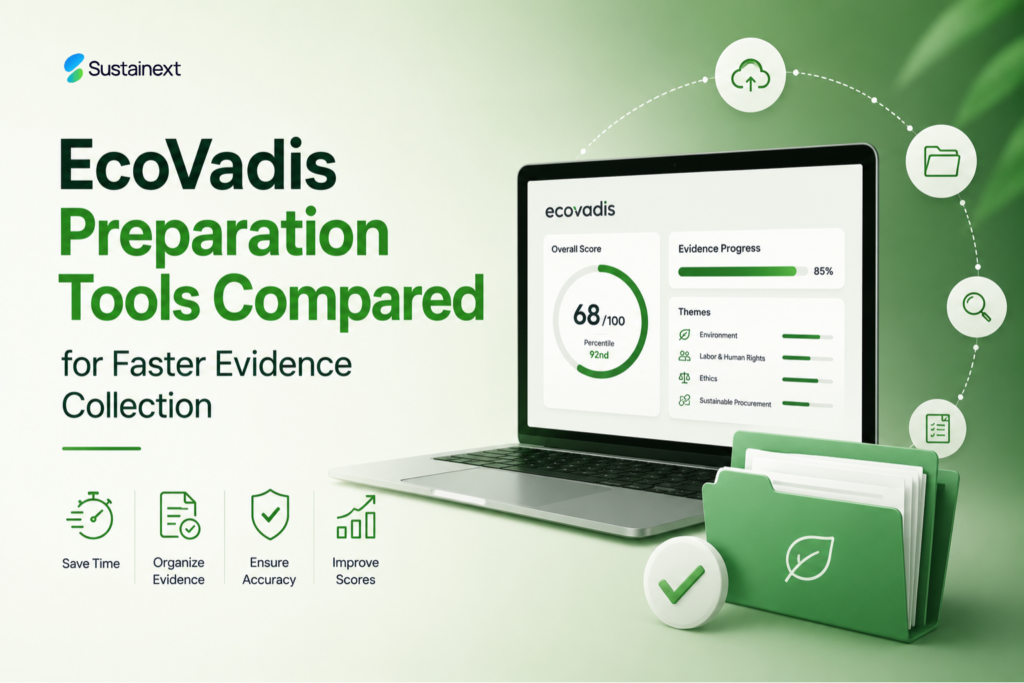
If your EcoVadis response still depends on spreadsheets, email follow-ups, and folders full of unnamed policy files, the problem is rarely just “lack of data.” More often, it is a workflow problem. Teams have evidence, but they cannot find the right documents, match them to the right questions, confirm ownership, or close gaps fast enough. […]
EcoVadis Score Explained: Medals, Thresholds, and How It Works
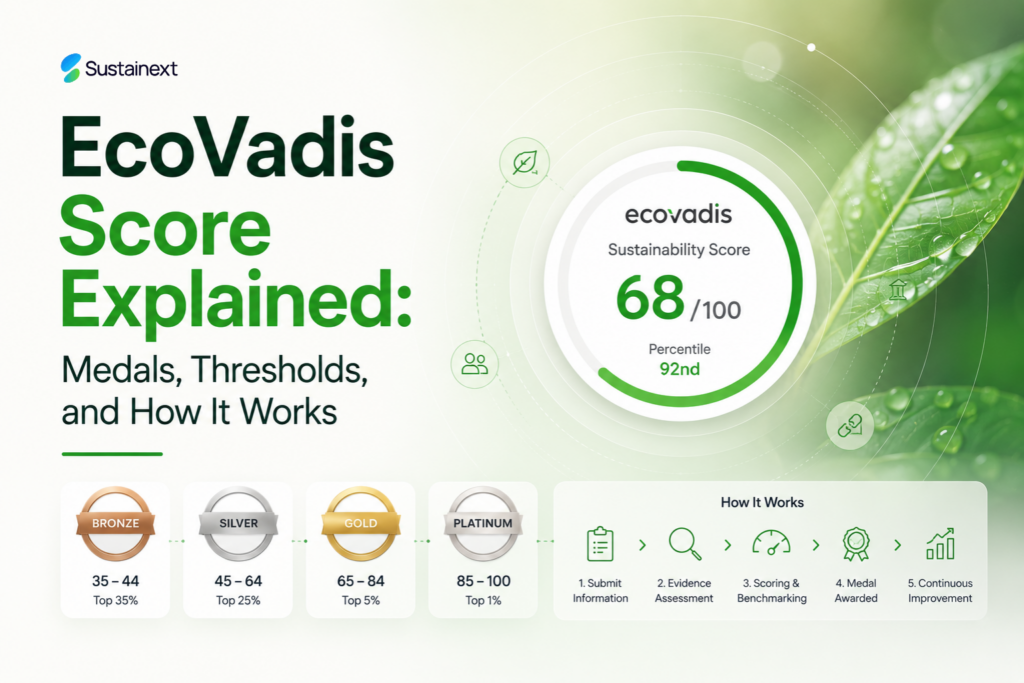
If you are trying to understand an EcoVadis score for the first time, you are not alone. Many suppliers, procurement teams, and ESG leaders get confused by the difference between scores, medals, badges, percentiles, and eligibility rules. The confusion has only grown as EcoVadis has refined how recognition works over time. This guide offers a […]
ESG Disclosure Management Platforms Compared
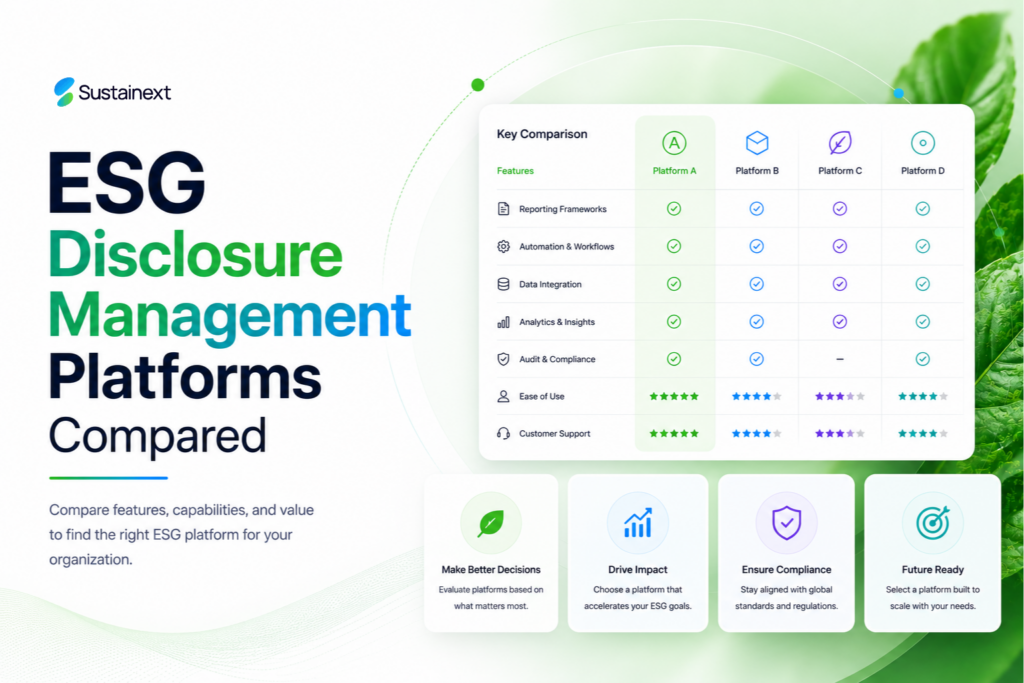
If your ESG team already knows spreadsheets are breaking down, the real buying question is no longer whether to adopt software. It is which ESG disclosure management platform can help you collect data faster, maintain internal controls, map evidence to multiple frameworks, and produce audit-ready outputs without turning implementation into a six-month side project. That […]
ESG Reporting Software: 10 Best Tools for 2026
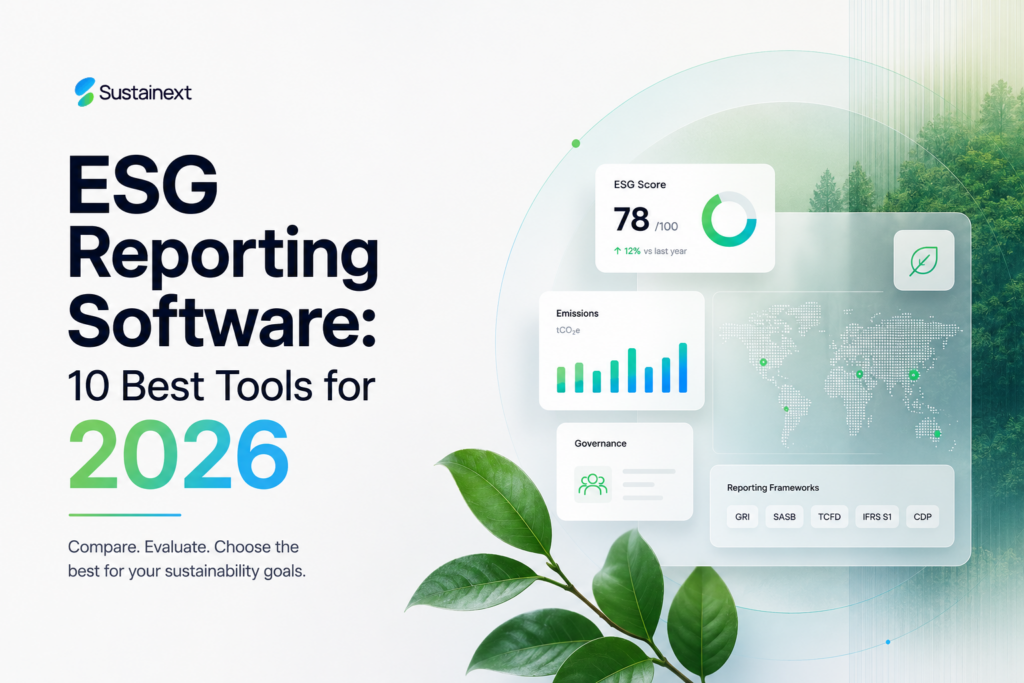
Choosing ESG reporting software in 2026 is no longer a simple feature checklist exercise. Sustainability, finance, risk, legal, and internal audit teams are now being asked to support multi-framework disclosures, faster close cycles, better controls, and evidence that can stand up to scrutiny. At the same time, disclosure requirements keep evolving. The EU’s Corporate Sustainability […]
Ensuring Ethical Supply Chains: A Guide to Bill S-211 Reporting Compliance
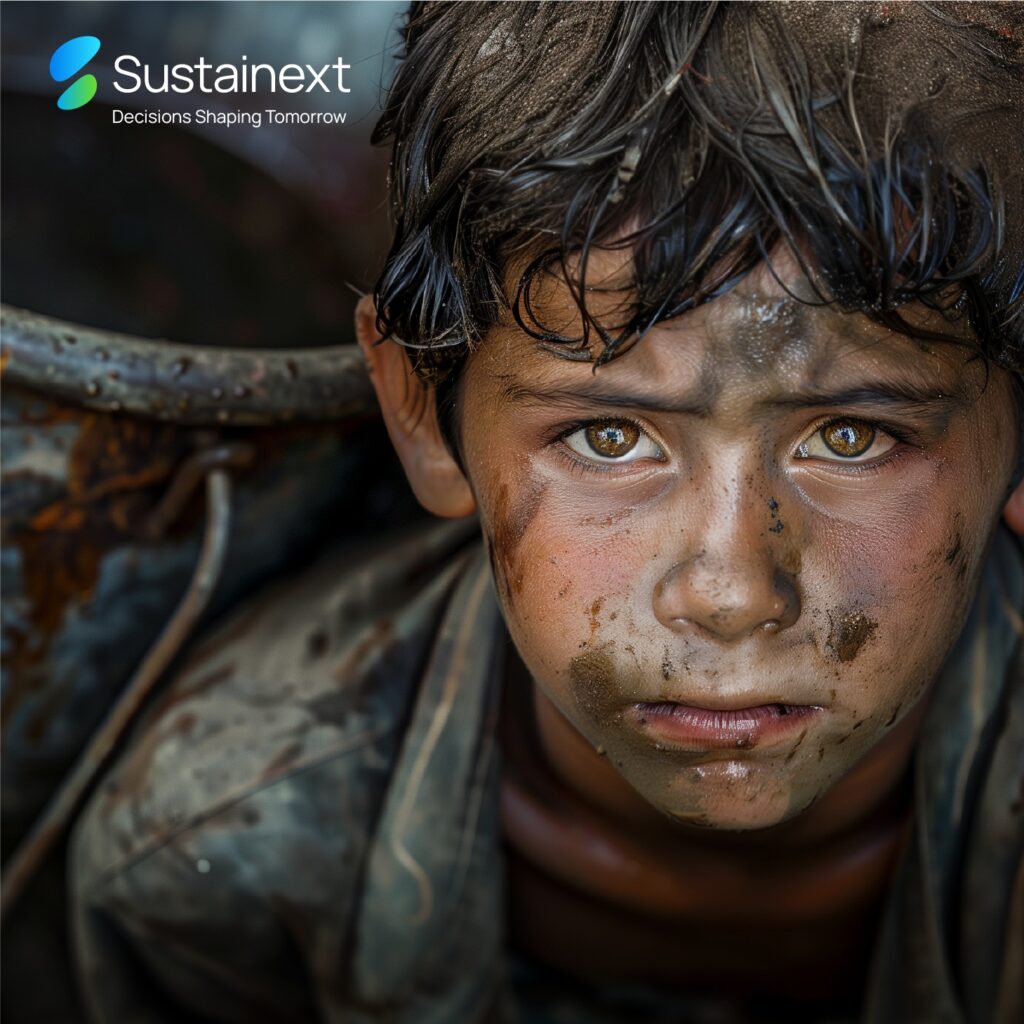
Introduction In today’s interconnected global economy, the issue of forced labour and child labour remains a significant challenge. Recognising the urgency to address these issues within Canadian supply chains, the government introduced Bill S-211, the Fighting Against Forced Labour and Child Labour Act. This legislation aims to tackle these blatant practices head-on by imposing stringent […]
Business Responsibility & Sustainability Reporting: Enhancing Sustainability Reporting in India

Introduction In recent times, the global focus has increasingly shifted towards mitigating the impacts of climate change and transitioning to a sustainable economy. Investors and stakeholders are making investment choices promoting responsible and sustainable businesses. This choice of investors and stakeholders is driven by the fact that sustainable practices can lead to long-term financial stability, reduced risk, and positive societal impact. Consequently, reporting on a company’s […]
Carbon Boundaries: CBAM’s Role in the Global Decarbonization Drive

The EU’s Carbon Border Adjustment Mechanism (CBAM) has the potential to spur awareness around global decarbonization efforts significantly. By putting a price on the carbon emissions embedded in certain imports, CBAM aims to create a level playing field for EU producers already paying for their emissions under the EU Emissions Trading System (EU ETS) and encourage cleaner industrial […]