Solutions

What is CBAM?

The Carbon Border Adjustment Mechanism (CBAM) is an EU policy designed to address carbon leakage by imposing a carbon price on the import of goods from countries with less stringent carbon regulations. Set to be fully implemented by 2026, CBAM initially targets carbon-intensive sectors like steel, aluminum, cement, and fertilizers. It ensures that imported products bear similar carbon costs as EU-produced goods, leveling the playing field and encouraging global decarbonization efforts. CBAM is highly relevant for companies exporting to the EU, as it requires them to account for the carbon footprint of their goods, track emissions, and potentially purchase CBAM certificates. This mechanism pushes businesses to reduce emissions across supply chains and adopt sustainable practices to remain competitive in the EU market.

As global regulations tighten, CBAM acts as a pivotal tool in driving carbon neutrality and encouraging companies worldwide to accelerate their climate action.
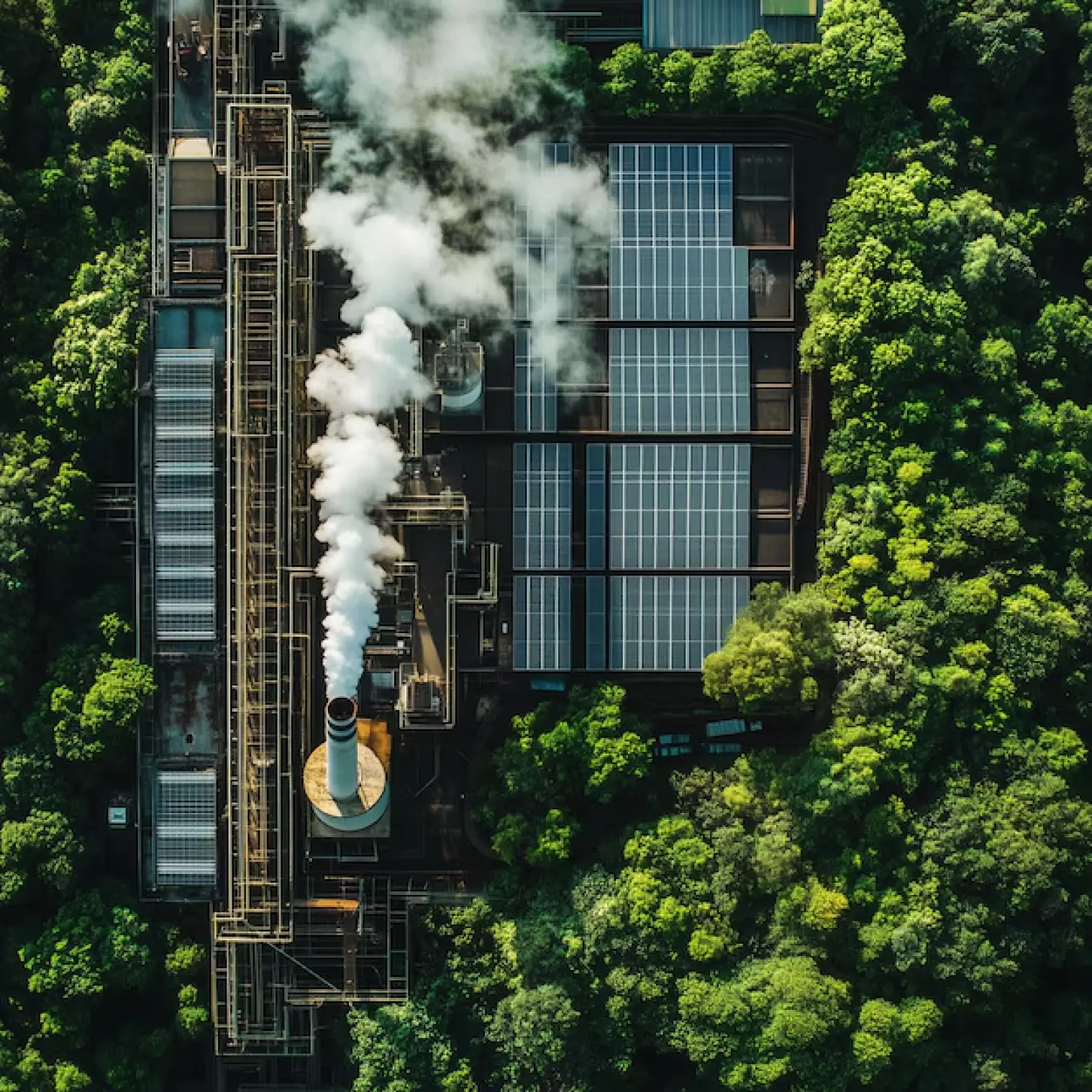
CBAM is Being Introduced into 4 Phases.

Phase 1

Reporting phase began on October 1, 2023, with full implementation and the financial component set to start in 2026.

Phase 2

Targets high-emission sectors, including steel, aluminum, cement, fertilizers, electricity, and hydrogen

Phase 3

Sectors covered by CBAM account for over 50% of industrial CO2 emissions globally.

Phase 4

CBAM could generate up to €10 billion annually by 2030, contributing to the EU’s climate budget.

Steps Towards CBAM

01

Determine Applicability:

Identify if the goods you export to the EU fall under CBAM’s scope, which initially covers carbon-intensive sectors such as steel, cement, aluminum, fertilizers, and electricity. Understand the carbon intensity of your supply chain and products.

02

Measure carbon emissions:

Calculate the carbon emissions associated with your products in line with the EU’s carbon accounting standards, such as the GHG Protocol. Implement systems to accurately collect data.

03

Compliance strategy:

Set up internal frameworks for tracking and reporting carbon emissions in alignment with CBAM’s reporting requirements

04

Monitoring & reporting:

Submit quarterly emissions reports to EU authorities, detailing the carbon footprint of imported goods and ensuring compliance with CBAM’s phased implementation.

05

Decarbonization plan:

Implement strategies to reduce the carbon intensity of your products, such as adopting energy-efficient processes, switching to renewable energy, or sourcing lower-carbon materials.

Benefits of CBAM

Level Playing Field:

Ensures both EU-based and foreign manufacturers face the same carbon pricing, reducing unfair competition from countries with lower environmental standards.

Encourages Global Decarbonization:

Motivates non-EU countries to adopt carbon reduction strategies by applying a carbon price to their exports.

Prevents carbon leakage:

Prevents companies from relocating production to countries with less stringent climate policies to avoid paying for emissions, thereby reducing carbon leakage

Promotes transparency:

Enhances transparency in global supply chains by requiring exporters to track, report, and verify the carbon intensity of their products.

Drives Innovation & Efficiency:

Companies affected by CBAM will be incentivized to innovate and improve production efficiency to reduce their carbon footprint and minimize CBAM-related costs.

Supports EU Climate Goals:

Aligns with the EU’s ambition to achieve carbon neutrality by 2050, reinforcing the European Green Deal by encouraging global partners to comply with high environmental standards and contribute to international climate action..

How Sustainext helps

Sustainext guides companies through the complexities of the Carbon Border Adjustment Mechanism (CBAM) by assessing carbon emissions across their supply chains, identifying potential compliance risks, and implementing strategies to reduce carbon intensity. We help businesses navigate CBAM regulations by developing tailored decarbonization roadmaps, ensuring alignment with global carbon pricing frameworks, and supporting the reporting and verification processes. Sustainext ensures that companies not only meet regulatory requirements but also strengthen their competitive position in a low-carbon economy.

01

CBAM readiness assessment

  • Initial assessment: Evaluate the company’s current carbon emissions and regulatory compliance to determine their exposure to the EU’s Carbon Border Adjustment Mechanism (CBAM).
  • Gap analysis: Identify gaps in carbon data collection, reporting, and carbon pricing strategies in relation to CBAM requirements.
  • Risk assessment: Assess the financial and operational risks associated with CBAM compliance, especially for carbon-intensive sectors like steel, cement, aluminum, and electricity.

02

Carbon footprint calculation and reporting

  • Carbon footprint assessment: Help companies measure and calculate their carbon emissions in line with CBAM requirements, using internationally accepted methodologies such as the GHG Protocol.
  • Reporting frameworks: Assist in aligning carbon emissions reporting with EU standards and CBAM frameworks to ensure proper documentation for goods exported to the EU.

03

CBAM compliance strategy development

  • Compliance strategy: Develop a comprehensive compliance strategy to meet CBAM requirements, including emissions reduction plans, carbon pricing models, and monitoring mechanisms.
  • Regulatory advisory: Provide guidance on how to comply with the evolving CBAM regulations, including the introduction of carbon certificates, price adjustments, and border tax policies.
  • Documentation & audit preparation: Support in preparing the necessary documentation to track carbon content and emissions-related costs for goods sold into the EU.

04

Supply chain and product impact analysis

  • Supply chain assessment: Assess the impact of CBAM on the company’s supply chain, identifying carbon-intensive suppliers and suggesting alternatives or improvements.
  • Product carbon intensity: Analyze the carbon intensity of products subject to CBAM, and recommend ways to reduce embedded emissions, such as through energy efficiency improvements or sustainable materials.

05

Decarbonization strategies

  • Emissions reduction plans: Develop and implement decarbonization strategies that help companies reduce their carbon footprint and align with the EU’s emissions targets. This could include renewable energy adoption, energy efficiency measures, and carbon capture technologies.
  • Carbon pricing advisory: Provide insights on carbon pricing mechanisms and the financial impact of CBAM, helping clients optimize their carbon strategies to minimize costs.

06

Training and capacity building

  • Workshops & training: Conduct training sessions and workshops to help internal teams understand the complexities of CBAM, carbon pricing, and regulatory requirements.
  • Capacity building: Build capacity within the organization to track, report, and manage carbon emissions and develop expertise in navigating CBAM compliance.

07

Stakeholder communication & advocacy

  • Investor Communication: Help craft narratives around CBAM compliance and carbon reduction efforts to communicate effectively with investors, customers, and other stakeholders.
  • Policy Engagement: Advise on how to engage with policymakers and industry groups to stay ahead of changes to CBAM regulations and advocate for beneficial policies.

08

Continuous monitoring and future readiness

  • Ongoing compliance monitoring: Provide ongoing support to ensure continuous monitoring of CBAM regulations and compliance.
  • Future-proofing: Help businesses anticipate future regulatory changes and shifts in carbon markets, ensuring long-term readiness for expanding CBAM coverage or more stringent carbon policies.
Frequently Asked Questions

Guide to Understanding Our Features

Lorem ipsum dolor sit amet, consectetur adipiscing elit. Ut elit tellus, luctus nec ullamcorper mattis, pulvinar dapibus leo.