
Greenwashing and Bluewashing: Decoding Deceptive Marketing Tactics

Introduction In an era where environmental and social consciousness influence consumer choices, businesses are keen to showcase their commitment to sustainability and ethical practices. However, this trend has given rise to deceptive marketing practices known as greenwashing and bluewashing. Greenwashing refers to false environmental claims, while bluewashing involves misleading assertions about social responsibility. These tactics […]
Navigating the Path to Net Zero: Finding the Perfect Sustainability Partner and ESG Solution

In the realm of modern business, the conversation is shifting. No longer is success solely defined by profit margins and market share. Today, the spotlight is on sustainability, and the role each organization plays in curbing greenhouse gas emissions and steering toward a greener future. As the world unites to combat global warming, businesses are […]
Sustainability in Manufacturing: Driving Innovation for a Greener Future

The manufacturing sector, encompassing industries such as metals, chemicals, minerals, and heavy machinery, stands as a significant consumer of energy and resources, often generating substantial waste. This underscores the necessity for concerted efforts towards decarbonization and a shift towards end-to-end sustainable practices across the value chain. Defined by the US Environmental Protection Agency (EPA), Sustainable Manufacturing […]
Revolutionizing Sustainability: The Power of Circularity in ESG

Understanding circular economy A circular economy is an economic model that aims to extend the lifecycle of products, reduce waste, and regenerate natural systems. It operates on principles of designing out waste and pollution and keeping products and materials in use. This model follows a “make-use-return” approach that contrasts with the traditional linear economy, which follows a “take-make-dispose”approach. The circular economy seeks […]
Understanding GRESB: The Key to Sustainable Real Estate Success

Understanding GRESB: Overview Sustainability in real estate is increasingly becoming a priority as stakeholders recognize the long-term benefits of environmentally responsible practices. The need for standardized assessments to evaluate and benchmark sustainability performance is paramount. This is where GRESB (Global Real Estate Sustainability Benchmark) plays a crucial role. GRESB, founded in 2009, is a leading ESG […]
Navigating Compliance with the Corporate Sustainability Reporting Directive (CSRD)

The corporate sustainability world is changing fast. At its forefront is the Corporate Sustainability Reporting Directive (CSRD). So, what exactly is the CSRD, and how can companies follow its requirements? The Corporate Sustainability Reporting Directive mandates nearly 50,000 European Union companies to report their climate and environmental impact. This brief guide takes a detailed look at CSRD exploring the necessary steps for companies to navigate the […]
Understanding the Science Based Targets initiative (SBTi): Driving Corporate Climate Action
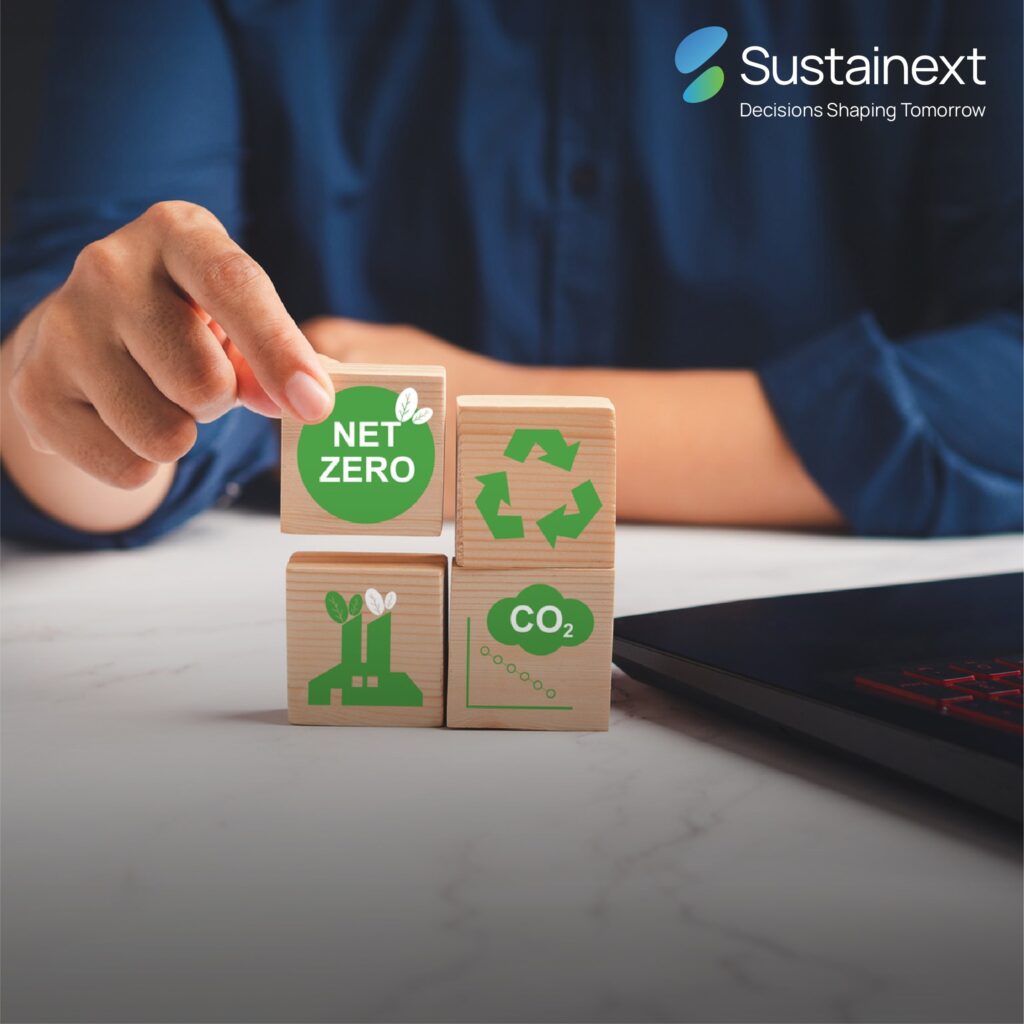
In the era of heightened climate consciousness, businesses are increasingly held accountable for their environmental impact. The Science Based Targets initiative (SBTi) has emerged as a crucial framework to guide companies in setting and achieving ambitious climate goals. This blog delves into what the SBTi is, why it’s necessary, how it functions, who should adhere […]
Ensuring Ethical Supply Chains: A Guide to Bill S-211 Reporting Compliance
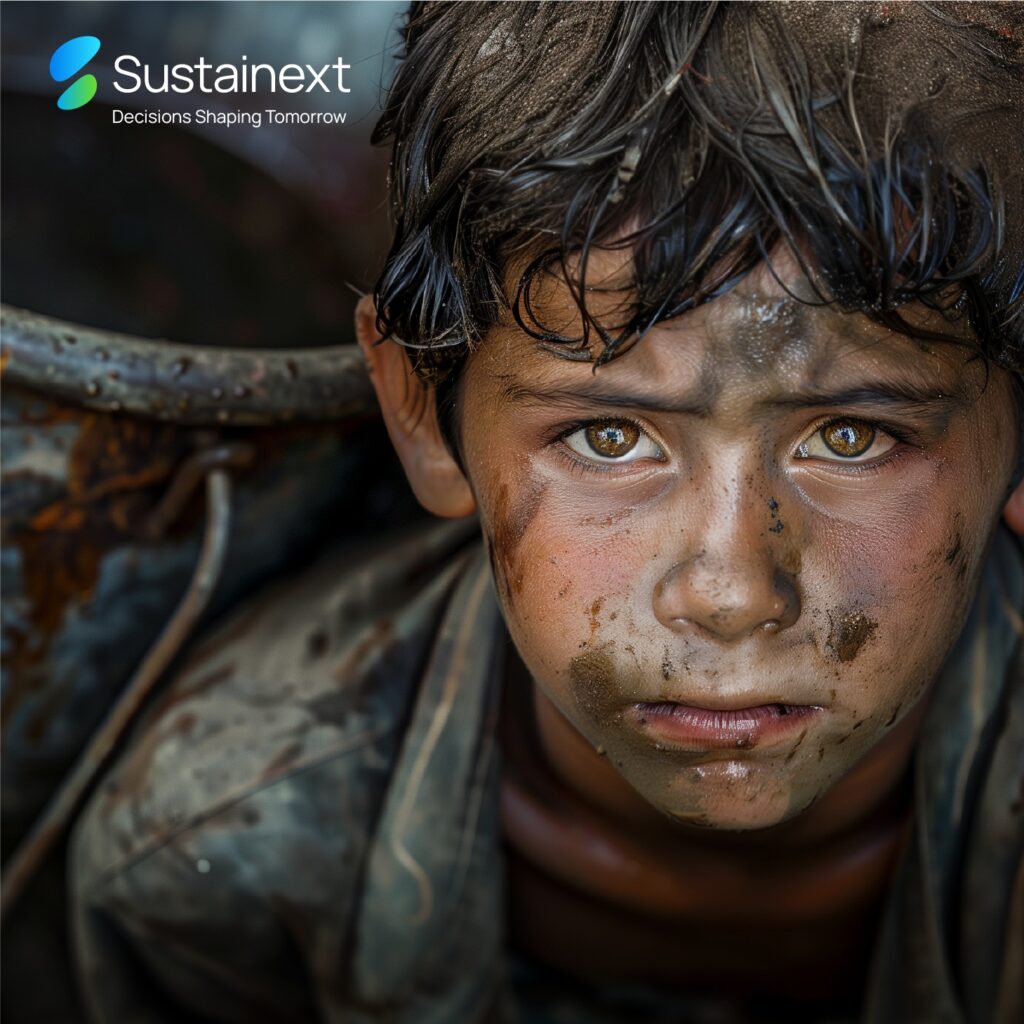
Introduction In today’s interconnected global economy, the issue of forced labour and child labour remains a significant challenge. Recognising the urgency to address these issues within Canadian supply chains, the government introduced Bill S-211, the Fighting Against Forced Labour and Child Labour Act. This legislation aims to tackle these blatant practices head-on by imposing stringent […]
Business Responsibility & Sustainability Reporting: Enhancing Sustainability Reporting in India

Introduction In recent times, the global focus has increasingly shifted towards mitigating the impacts of climate change and transitioning to a sustainable economy. Investors and stakeholders are making investment choices promoting responsible and sustainable businesses. This choice of investors and stakeholders is driven by the fact that sustainable practices can lead to long-term financial stability, reduced risk, and positive societal impact. Consequently, reporting on a company’s […]